equilibrium
On the quiet point where input and output finally balance.
i. opening
A short opening paragraph. One or two sentences that set the temperature of the essay. Quiet, slow, oriented toward a question rather than an answer. This is the part that decides whether someone stays.
Write the second paragraph here — a little more direct. Name the thing you actually want to talk about, in plain language.
ii. the question
Use this section to sit with the question for a while before reaching for an answer. Two or three paragraphs of unhurried thinking.
- a first thread
- a second thread
- a third thread that connects them
Use a callout like this for an aside — a small observation, a definition, a gentle warning to the reader. It sits beside the main flow without breaking it.
iii. an image
A line or two of context for the image below — what it is, why it’s here.
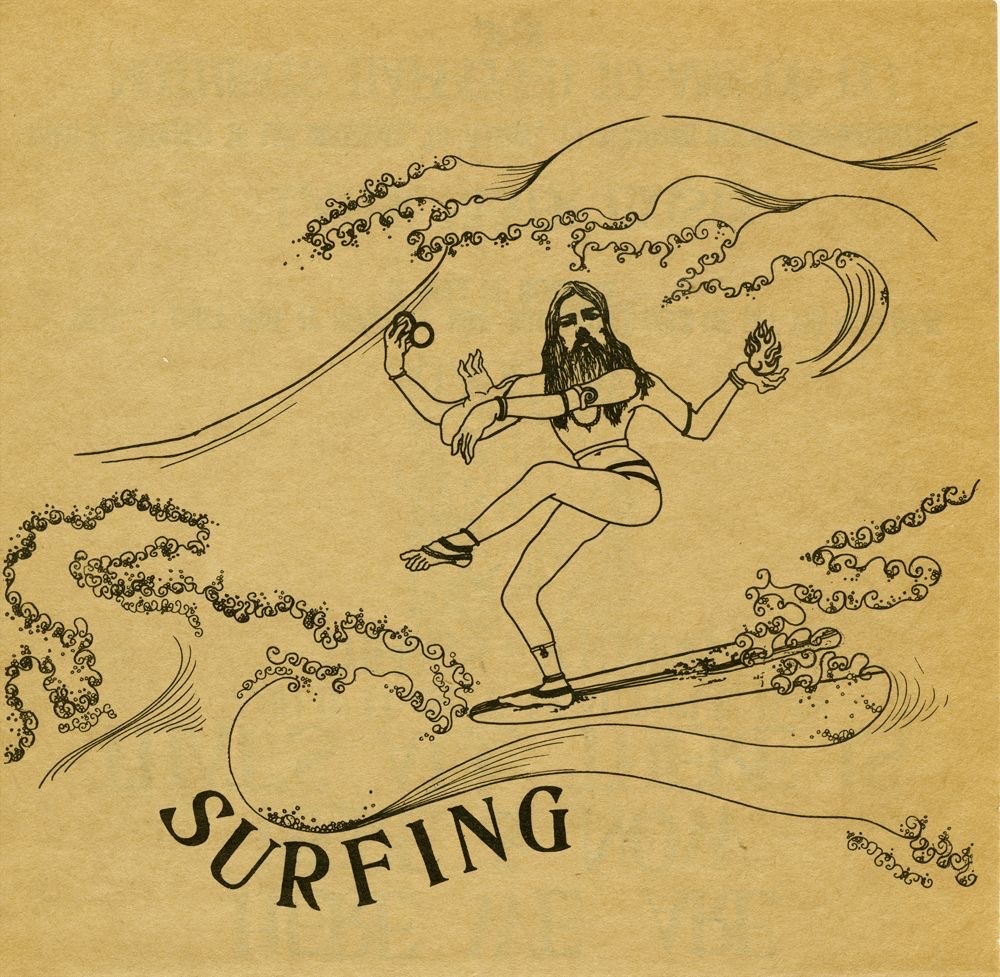
After the image, a paragraph that picks up the thought again. The image is not decoration — it earns its place by changing what comes next.
iv. the turn
Every essay has a moment where it pivots from observation into claim. This is yours. Write it short and direct.
A more intimate quote — a single sentence, indented, weighted. Use this for something you want the reader to slow down on.
Then a paragraph that lives inside the quote’s shadow. Don’t explain the quote. Let it sit.
v. evidence, or examples
Sometimes the essay needs to ground itself. Use a numbered list when order matters, or code/inline emphasis for precision.
- The first example. A short sentence that names a concrete thing.
- The second. Another concrete thing, in parallel structure.
- The third. A third — the rhythm of three is enough; resist a fourth.
You can use inline code for technical terms, names, or to mark a word
you want the reader to notice without italicizing.
vi. what i now think
The synthesis. Two short paragraphs. Say what you came to. Don’t overclaim — equilibrium isn’t certainty.
If your conclusion has a soft edge — a thing you're still not sure about — name it here. Honest essays end honest.
vii. closing
A short final paragraph. Bring it back to the breath. Bring it back to the reader. One sentence is enough.
more soon.